My Journey to College Golf and Love for the Sport

Updated: Aug 4
Written by Megan Meng

Megan Meng is a 19 year old golfer from Pennington, NJ. She is currently on the Northwestern University Division 1 women’s golf team and has been playing golf for over 14 years. A well-decorated junior golfer and the only female to ever win the NJ All-State High School Boys Championship, Megan also enjoys mentoring, meeting new people, and growing the game of golf.
Born and raised in a small town in New Jersey, I grew up surrounded by golf and a quiet expectation that it would shape my future. As the daughter of Chinese immigrants, I understood early on that opportunities were not guaranteed. My father introduced me to the game when I was five years old after hearing about the number of women’s college golf scholarships that go unused each year. At the time, I did not think of golf as an opportunity or a long-term goal. I saw it as a way to spend time with him and to be around other people.
It wasn’t until much later that I began to understand what golf actually meant to me and how fortunate I was to have it in my life.
In those early years, I would join my dad at the driving range or hit balls into empty fields behind his office building. I remember running out to collect the balls, tiptoeing around goose poop, and carrying heavy baskets back to hit them again. I also attended group classes at the YMCA and later joined the First Tee of Greater Trenton, where I learned the fundamentals of the game and built my first friendships through golf. What kept me involved was not a passion for the sport itself, but the community that surrounded it. I loved talking, laughing, and the friendships I made. That sense of community was what kept me coming back.

For a long time, I was unsure if I truly loved golf. I did not enjoy the long hours of practice or the time spent alone at the range. I often felt like I was missing out on weekends and social experiences that my peers were having. At twelve years old, I thought golf was uncool, and I frequently considered what it would be like to stop playing altogether. If you had asked me then what I wanted to be in the future, I would not have said a professional golfer.
And yet, I kept going.
Part of that was because of the people who shaped my experience. Coaches and mentors taught me that golf was more than just scores. It was about life skills and values: responsibility, resilience, and sportsmanship. Years later, I found myself returning to those same programs, not as a student, but as a mentor. Being called “Coach Megan” by kids who were just starting their own journeys gave me a new perspective on the sport. I wasn’t just playing golf anymore. I was part of something bigger. I was helping create the same sense of belonging that had once kept me in the game.
That perspective became even more meaningful as I navigated spaces where I didn’t always feel like I belonged. As the only girl on my high school golf team, I initially felt out of place and unsure of how I would be perceived. As a freshman I was quiet and hesitant to speak, but over time I became more comfortable. My teammates began to respect me for my ability and personality, and I gradually found my voice and place on the team. I made friends in unexpected places and created a community of life-long friendship and support. That experience taught me how to navigate a male-dominated environment and gave me confidence that extended beyond golf.
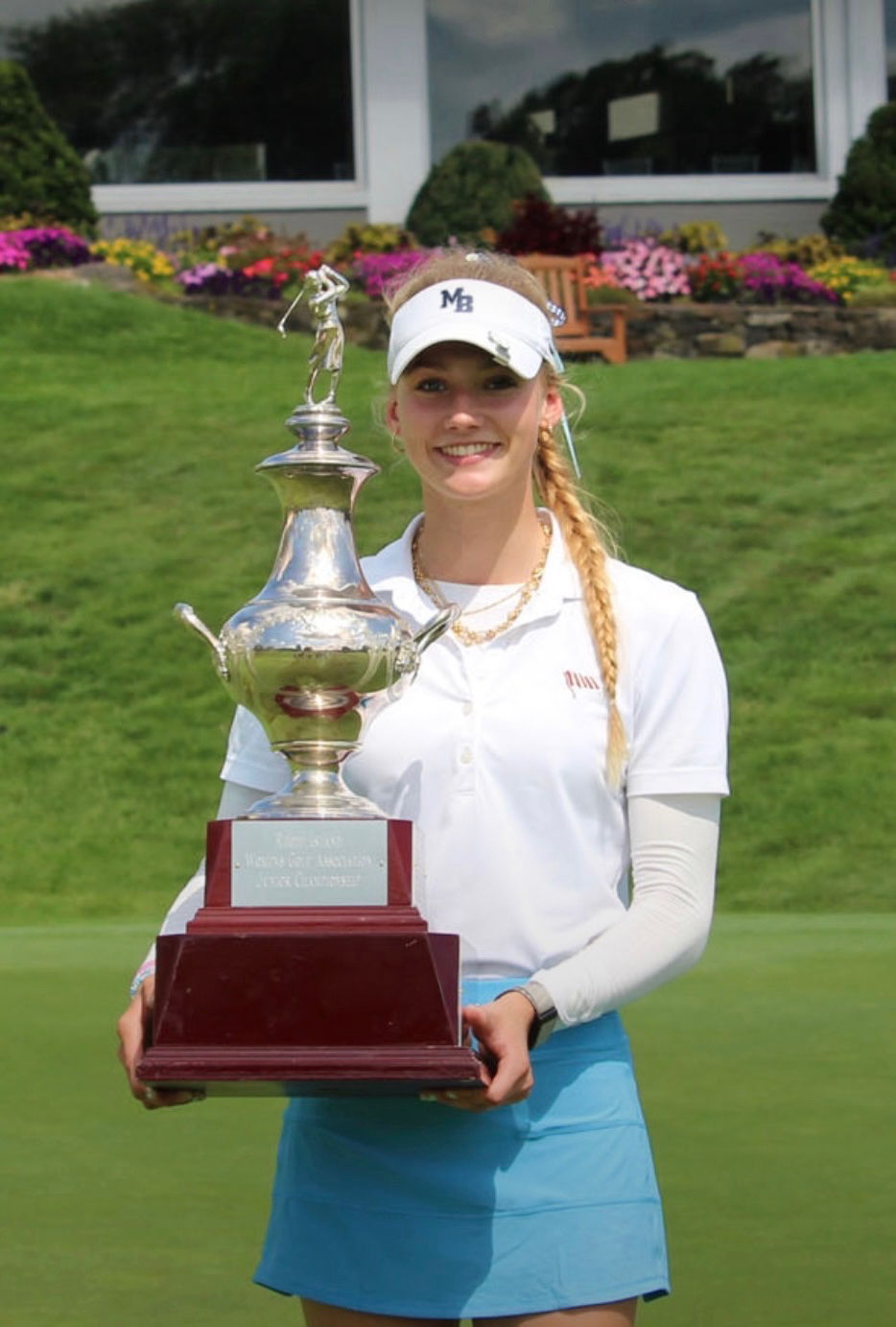
Golf taught me resilience in a way nothing else could. Through years of competition, playing U.S. Kids tournaments, AJGA events, and eventually national-level play, I learned how to fail and still show up the next day ready to try again. I learned how to manage nerves, rebuild confidence after difficult rounds, and trust in the process even when results didn’t come immediately. Those experiences shaped me just as much as the successes did, whether it was winning state championships or representing my country on an international stage.
Now, as a college athlete competing at the highest level, I find myself in a different kind of tension. Contributing to a national championship team is one of the greatest honors of my life–a moment that reflects years of work, sacrifice, and persistence. But it also forces me to confront a difficult reality that for most of us, this journey has an endpoint.
The reality of college athletics is that, for most athletes, their sport will not be their final career. This creates a unique dilemma. We dedicate a significant portion of our time and energy to excelling in a sport that may only last for a limited number of years. For me, golf was once viewed as a conventional path toward opportunity. Pursuing professional golf after college becomes a risk. A dream.
And yet, standing where I am now, I can’t imagine walking away easily.
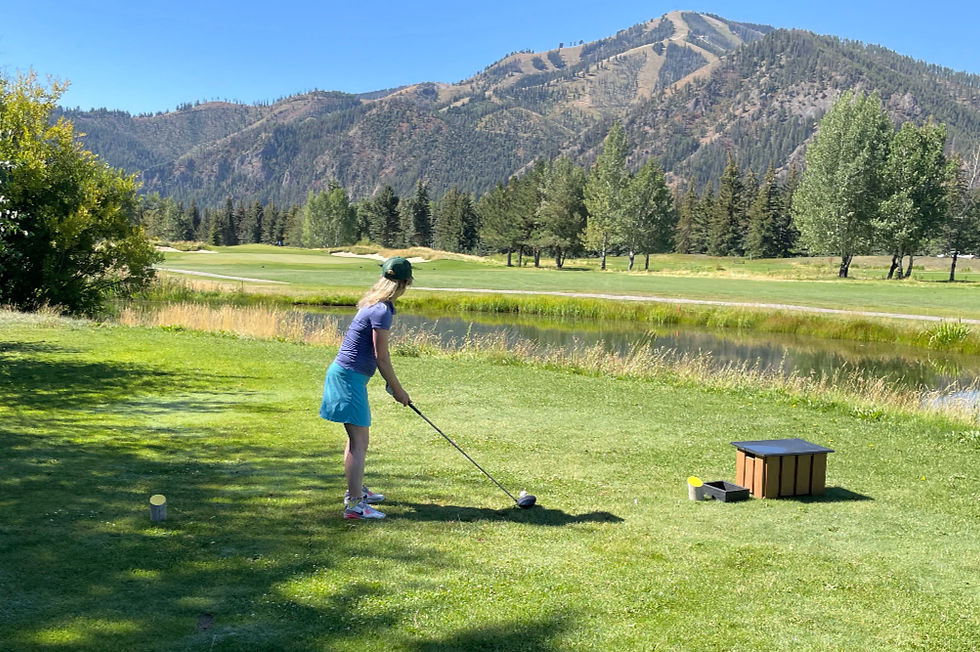
Looking back at the years of early mornings, long practices, sacrifices, I feel a deep sense of appreciation. I love golf now. I love the solitude of walking down a fairway, feeling the sun, wind, or rain against my skin. I love the community of women and people from all walks of life that share their passions, professions, and life stories with me. I love the challenge of a sport that demands both mental and physical precision and creativity. Most of all, I love the opportunities it has given me, not just to compete, but to connect.
Through mentoring, fundraising, and organizing events, I’ve seen how golf can extend far beyond the course. Whether it was raising money for pediatric cancer patients or helping create opportunities for students from underserved communities, golf became a platform for impact. It showed me how a sport often perceived as exclusive can actually bring people together and create meaningful change. Golf has given me more than results could ever capture. It has given me a sense of identity, a community, and a platform.
Through SHEGOLF, I want to share that side of the sport. I want younger girls to see that there is space for them in golf, even in environments that may initially feel unwelcoming. I want them to understand that they don’t have to fit a mold to belong.
Because I was once the only girl on a team full of boys, unsure of my place. I was once afraid of being judged or underestimated. And yet, those moments became some of the most meaningful parts of my journey, because they taught me how to stand my ground and, eventually, how to thrive.
And maybe that’s the most important lesson it has given me: there are no right answers. There is only the pursuit of something that matters to you and the courage to keep going.

Comments